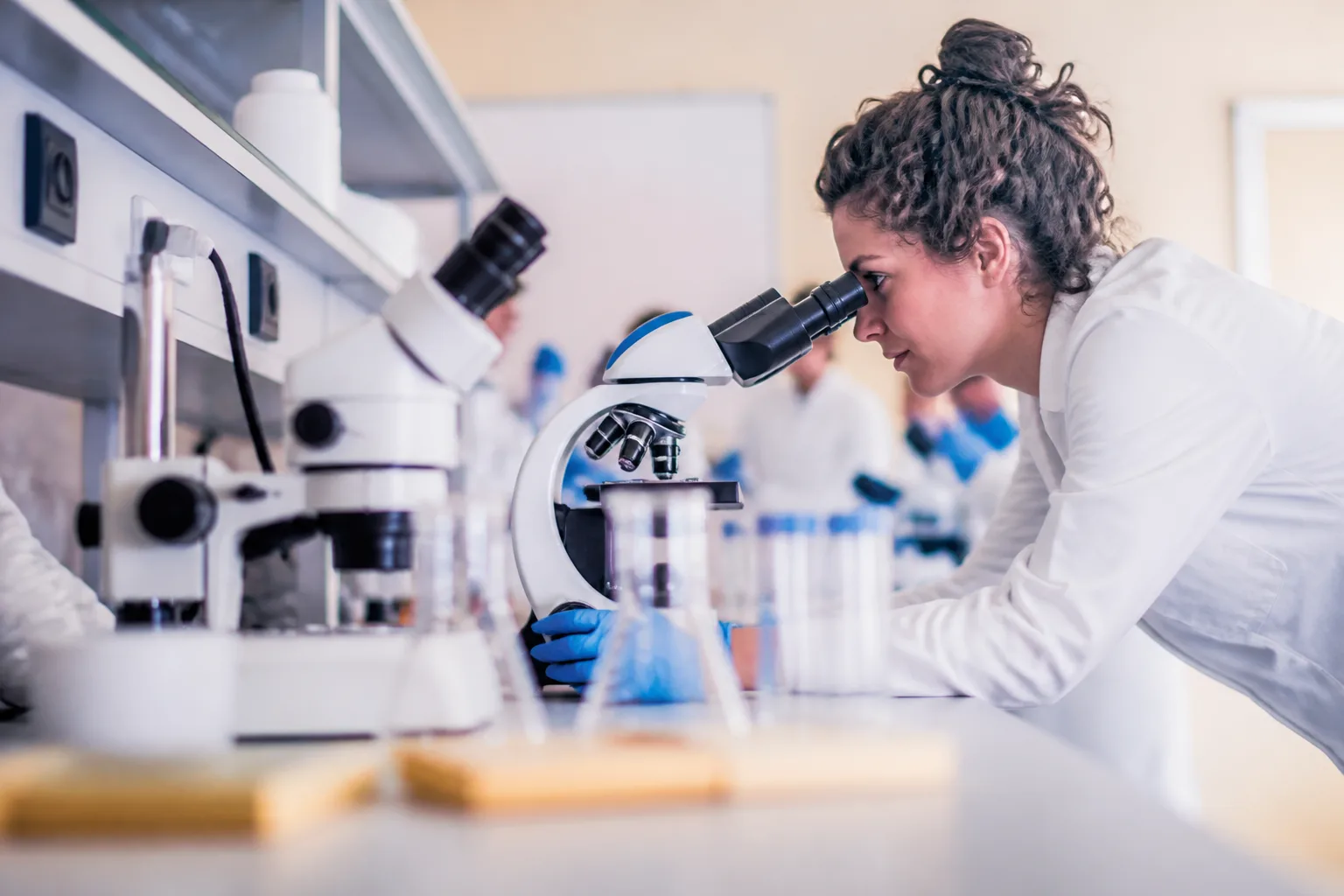
The Andalusian Regional Government’s Department of University, Industry, Energy and Innovation received 23 applications for the first Isabel Ovín Camps Andalusia Research Awards. The applications came from seven public universities and six public research and development (R&D) foundations and centres. The awards recognise research excellence, the social and economic impact of scientific results, and the contributions of people working in the public or private sector to Andalusia’s knowledge ecosystem.
The annual awards have a total allocation of €35,000 and cover three categories. The public universities of Almería, Córdoba, Granada, Jaén, Huelva, Málaga and Seville submitted 12 applications, more than 52% of the total. The remaining applications included three from the Spanish National Research Council (CSIC); two each from the Seville Public Foundation for Health Research Management (FISEVI), the Córdoba Foundation for Biomedical Research (FIBICO) and the Alejandro Otero Foundation for Biosanitary Research in Eastern Andalusia (FIBAO); and one each from the Progreso y Salud Foundation, which reports to the Department of the Presidency, Health and Emergencies, and the Beturia Andalusian Foundation for Health Research (FABIS).
The “Research Career” category received six applications: three from public academic institutions and three from foundations and R&D centres. It recognises significant contributions over a professional career to knowledge creation, scientific leadership and the development of Andalusia’s research system. The award is worth €15,000.
“Young Research Talent” received the most applications, with 10: four from public universities and six from agencies, centres and foundations. The €10,000 award recognises emerging talent, innovation and the potential of researchers starting promising careers to make a significant impact in their fields.
The “Science and Technology Communication” category received seven applications, including five from public universities and two from foundations and R&D centres. It recognises public or private organisations that encourage interest in science and technology (STEM), or make these subjects more accessible, understandable and appealing to Andalusian society. The award is worth €10,000.
A jury of people with recognised standing in research and science communication will assess the applications. Its review will consider factors including the quality and quantity of scientific output, leadership and team-building, the transfer of research results, research’s social and economic impact, and the reach and impact of communication initiatives. For the research categories, it will also assess innovative research lines, contributions to new theories or methods, participation in national and international R&D projects, publications, patents and the practical effects of research. For science and technology communication, the criteria include clarity and accessibility, reach and impact, and efforts to involve different groups, including girls, young women, people with disabilities and people from varied socioeconomic or cultural backgrounds.
The awards honour Isabel Ovín Camps, born in Carmona, Seville. She was the first woman in Spain to graduate in chemistry, at the University of Seville, and had a distinguished career in teaching. Remembered for her commitment to education and training, particularly opportunities for girls and young women, she helped inspire scientific interest and advance women’s presence in fields where they had traditionally been excluded. One of her students was Manuel Losada Villasante, a biochemist and pharmacist who received the Prince of Asturias Award for Scientific and Technical Research.