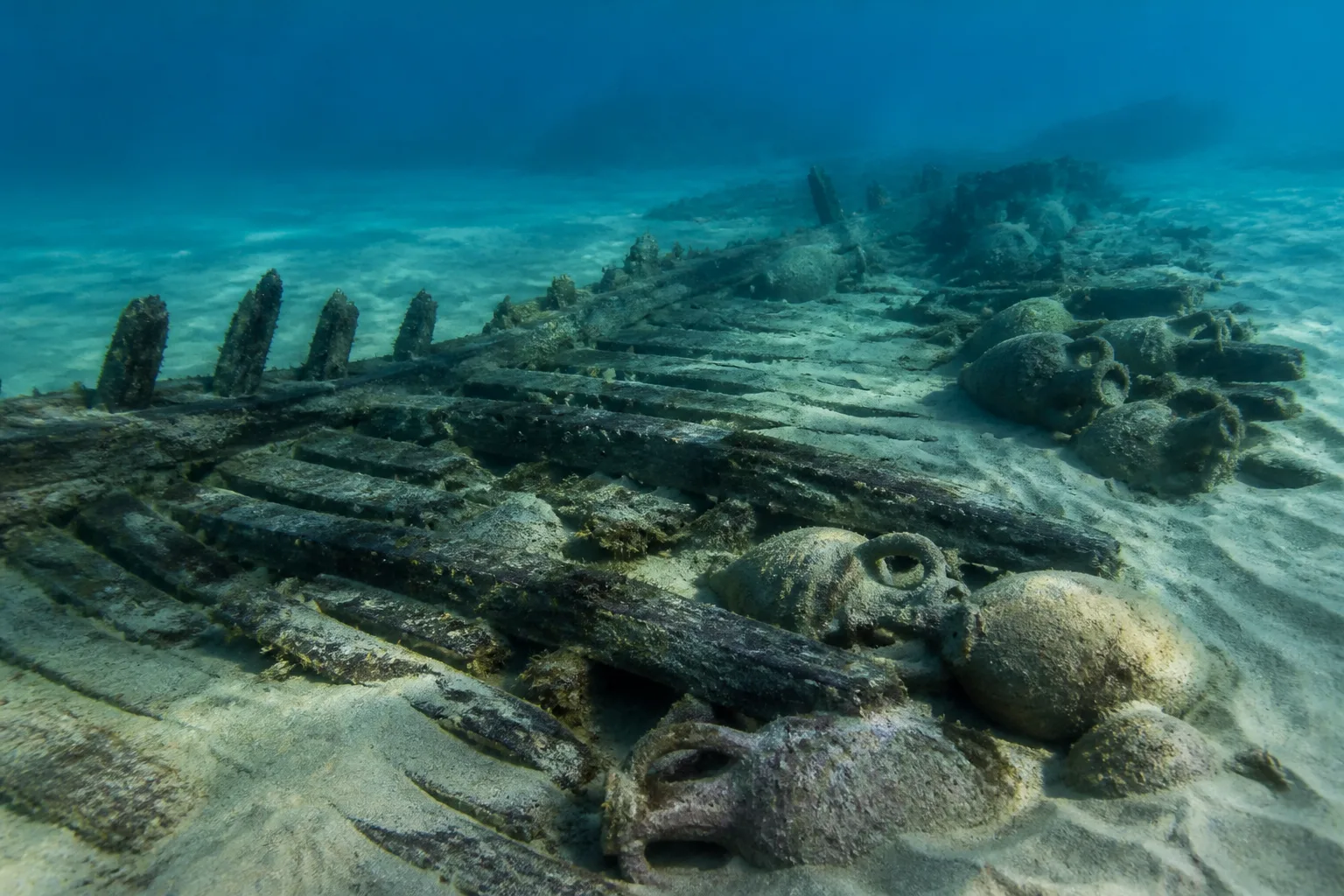
The Andalusian Historical Heritage Institute (IAPH), through its Centre for Underwater Archaeology (CAS), was due to begin an underwater archaeological investigation on September 15 at the Cabopino shipwreck, located off the coast of Marbella, Málaga. The technical team, which reports to the Andalusian regional government’s Department of Culture, Historical Heritage and Sport, was scheduled to work through September 30.
Culture, Historical Heritage and Sport Minister Patricia Del Pozo said the study would advance historical analysis of 19th-century transoceanic trade. The wreck retains a significant part of the vessel’s structure and cargo, which she described as an important material record of modern maritime history. Alongside the archaeological work, researchers plan to create a 3D model of the remains, allowing further study of the wreck without physically disturbing some elements. The images may also be used for public information, including virtual reconstructions.
### A site on a sandy seabed
The CAS first worked at the site in 2022, at the request of the Culture Department’s provincial office in Málaga. Its inspection and initial assessment confirmed a substantial archaeological site on a sandy seabed at an average depth of about six metres. The visible structure at the time measured approximately 39 metres long and 15 metres wide. Its construction features suggested a vessel of Mediterranean naval tradition and preliminarily placed it in the modern period.
The inspection also found that coastal processes were gradually exposing further remains. Other parts of the vessel, its cargo and objects associated with life aboard may remain buried in sediment. Recorded features include parts of the ship’s inner and outer planking, frames and longitudinal structural components, metal sheathing intended to protect the hull, and copper-alloy fastenings.
### Cargo linked to international trade
Part of the cargo remains in place on the ship’s structure. Identified materials include barrels with remnants of wood; in some cases, their contents solidified after the containers disappeared. There are also numerous ceramic building materials, mainly roof tiles and floor tiles made in France and bearing the marks of Marseille manufacturers active in the late 19th and early 20th centuries. Researchers say analysis of the evidence could shed light on maritime distribution networks that connected major Mediterranean production centres with markets across the Atlantic.
The archaeological findings, considered alongside documentary sources, may help identify the vessel, its history and origin, and the circumstances of its sinking. Historical newspapers report that an Italian barque named in sources as ‘Garegliano’ or ‘Gagliano’ sank in November 1887 while carrying construction materials from Marseille to Buenos Aires. The identification of the Cabopino wreck as that vessel is not definitive. The overlap between historical records and archaeological evidence remains a hypothesis that researchers hope to test during the investigation.
### The ‘Fernando,’ wrecked in 1760
The Cabopino campaign was set to begin after the CAS completed work on another wreck off Marbella. That investigation, begun in 2023 and completed in July 2026, identified the San Pedro de Alcántara wreck, with a high degree of probability, as the Spanish Royal Navy ship of the line ‘Fernando.’ Built at the Esteiro shipyard in Ferrol between 1750 and 1751, it sank in 1760 near Placer de las Bóvedas.
The ‘Fernando’ was one of four experimental ships built in the 18th century as part of the Bourbon monarchy’s naval reforms. The documented structure at San Pedro de Alcántara has features consistent with the new ship designs promoted by the Marquis of Ensenada and scientist Jorge Juan under King Ferdinand VI, a model strongly influenced by English practice.