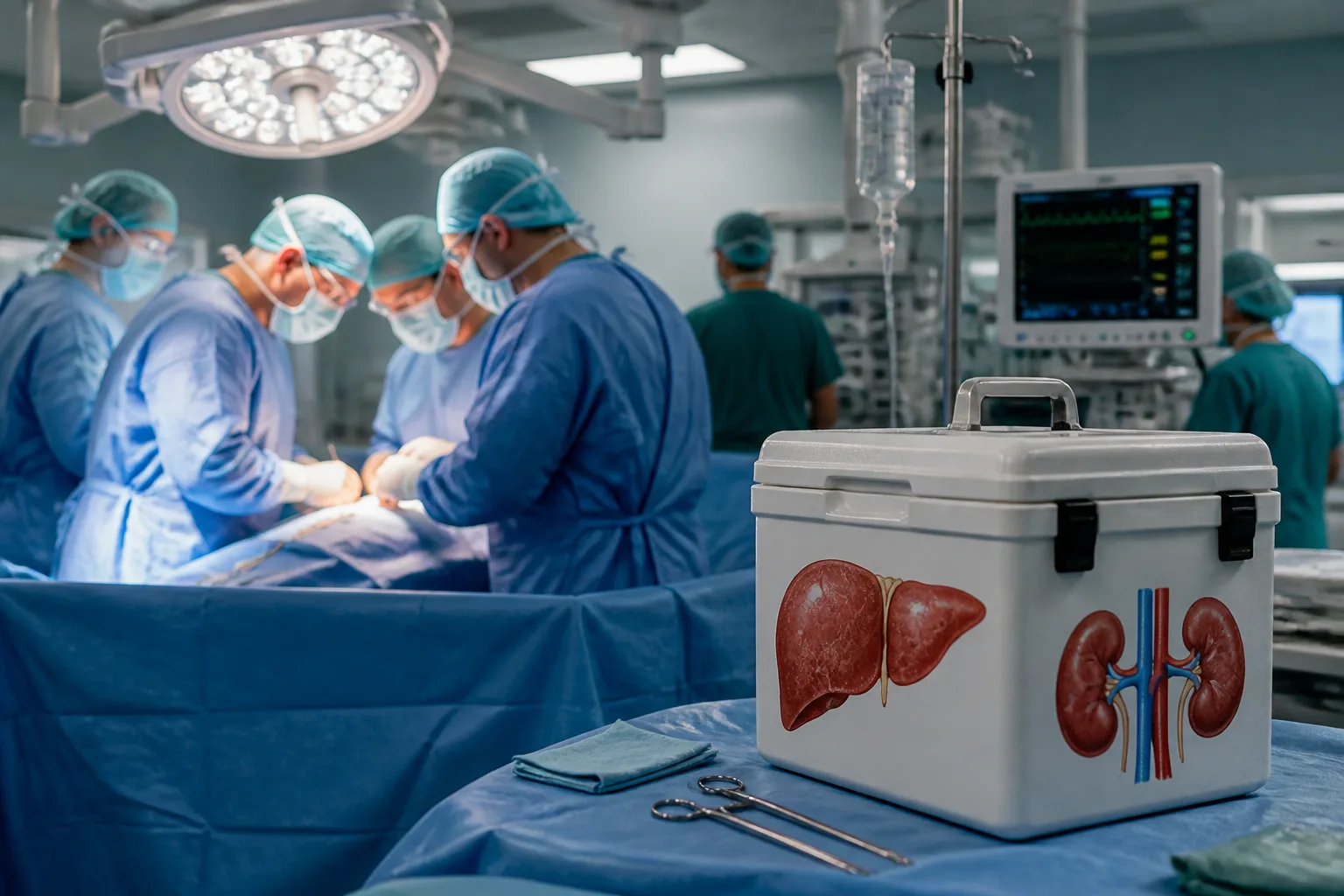
Málaga Regional University Hospital, part of the Andalusian Health Service (SAS) under the Regional Ministry of the Presidency, Health and Emergencies, performed nine organ transplants in three days: six kidney transplants and three liver transplants. These complex procedures require a multidisciplinary approach and close coordination among numerous professionals and services.
The hospital’s medical director, Abel García, expressed his gratitude to the professionals involved, saying their preparation, dedication, commitment and service to public healthcare made these results possible. He also recognized the work of the transplant coordinators during an exceptionally demanding period and the support of Andalusia’s Regional Transplant Coordination (CATA), which he said was fundamental to the procedures.
So far in 2026, the hospital has performed 186 transplants: 134 kidney transplants in adults, 44 liver transplants and eight pancreas transplants. Care for transplant patients begins with assessment and preparation and continues after surgery with specialized follow-up intended to achieve the best possible outcomes and support patients’ quality of life.
Performing nine transplants in three days requires substantial clinical and logistical capacity, from the availability of organs through implantation and post-operative care. The procedures involve specialists in nephrology, urology, hepatology, hepatobiliary and pancreatic surgery, anesthesiology, intensive care, nursing, laboratory services and diagnostic imaging, as well as other essential support services.
Transplant activity depends on the generosity of donors and their families, as well as the work of professionals who identify and assess potential donors. Málaga province recorded 67 organ donors in 2026 through September 11; 31 were from Málaga Regional University Hospital. The hospital said its 2026 figures reflected sustained, highly complex transplant activity, with multidisciplinary care from initial assessment through subsequent clinical follow-up.