Antonio Sanz, first vice-president of the Andalusian government and regional minister for the Presidency, Health and Emergencies, chaired a meeting of the regional advisory committee for the Infoca Plan at the San Telmo Palace in Seville. He said more than 94% of wildfires during the high-risk season were caused by people, whether deliberately, through negligence or accidentally, while 2.94% had natural causes. Six in ten fires were contained before reaching one hectare, he said, describing the season as the most difficult in Infoca’s history. The provisional tally records 842 interventions in forest areas; 516, or 61.3%, were fires of less than one hectare.
The season’s high-risk period ended on 15 October, but Sanz said the risk had not passed. The medium-risk period began on 16 October and runs through 31 October. He said prior authorisation is required for burning in forest areas or areas of influence during this period. The 2026 high-risk season brought extreme and exceptional weather, including 61 days of heatwaves, compared with the previous record of 41 days in 2022. A wet winter had increased fine fuel in forests, followed by a summer with almost no rainfall; high temperatures and dry vegetation helped fires spread rapidly.
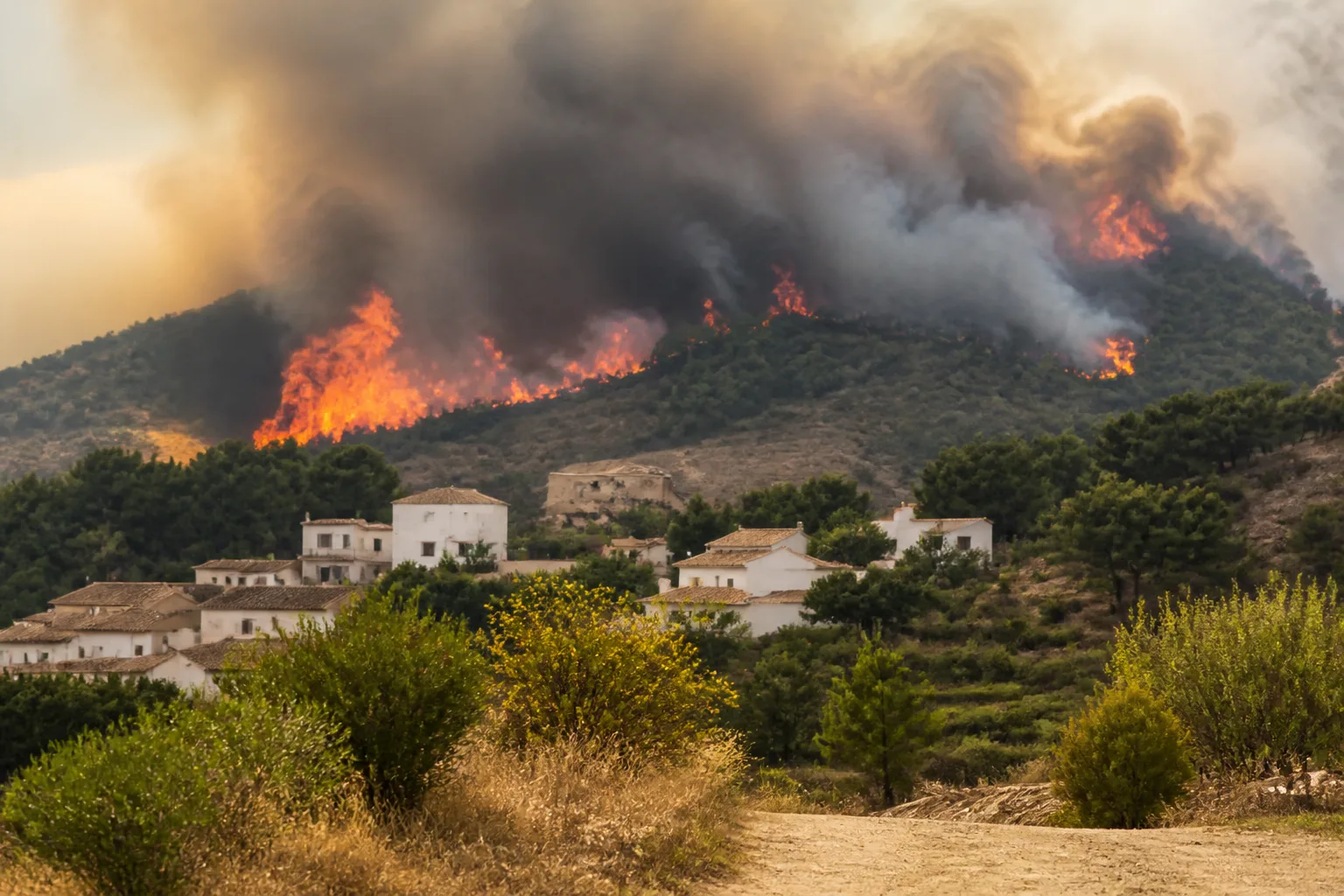
The provisional area burned was 58,735 hectares: 28,023 hectares of woodland, 17,507 of scrubland and 13,205 of grassland. Six large wildfires—those exceeding 500 hectares—were recorded in Los Gallardos (Almería); El Cerro de Andévalo, Alosno, Villanueva de los Castillejos and Niebla (Huelva); and Igualeja (Málaga). Operational Level 1 was declared in 19 incidents affecting 36 municipalities. Three fires, in Villanueva de los Castillejos, Los Gallardos and Niebla, reached Operational Level 2. A total of 6,444 people were evacuated, moved away from danger or sheltered in place to protect them from fire and smoke.
Sanz recalled people who died during the season in Los Gallardos and Benahavís and expressed sympathy to their families. He also said that, according to the report’s analysis, the Niebla fire could have burned up to four times the area it did without the scale of the response and coordination among authorities. The 061 emergency health service, together with primary care, medical transport and hospitals, treated affected people and responders, transferred critically ill patients and assisted vulnerable people during evacuations.
The Andalusian National Police unit investigated 54 fires and solved 53 cases, or 98%, with 27 people arrested or under investigation, Sanz said. Proposed penalties or reports for risky conduct in forest areas nearly tripled, from 5,800 to 14,731, including more than 100 reports a day for prohibited conduct such as barbecues or vehicle access. The 1-1-2 emergency service handled 32,698 calls related to agricultural and forest fires—15.8% more than in the comparable period in 2025 and 82.8% more than in 2024.
Andalusia also sent personnel and equipment to assist other regions. Its external operations unit deployed 179 ground staff to Burgohondo in Ávila and to Villa del Prado and San Martín de Valdeiglesias in Madrid, and it assisted in Albacete, Badajoz, Ciudad Real, Guadalajara and Murcia. A medium-heavy helicopter was sent to the wildfire at Ibón de Plan in Huesca. Sanz said a rescue helicopter attached to the Andalusian Emergency Agency was due to enter service in November, and that work had begun on planning the next campaign, including a cross-departmental committee to assess risks and adapt the response to extreme fire behaviour.